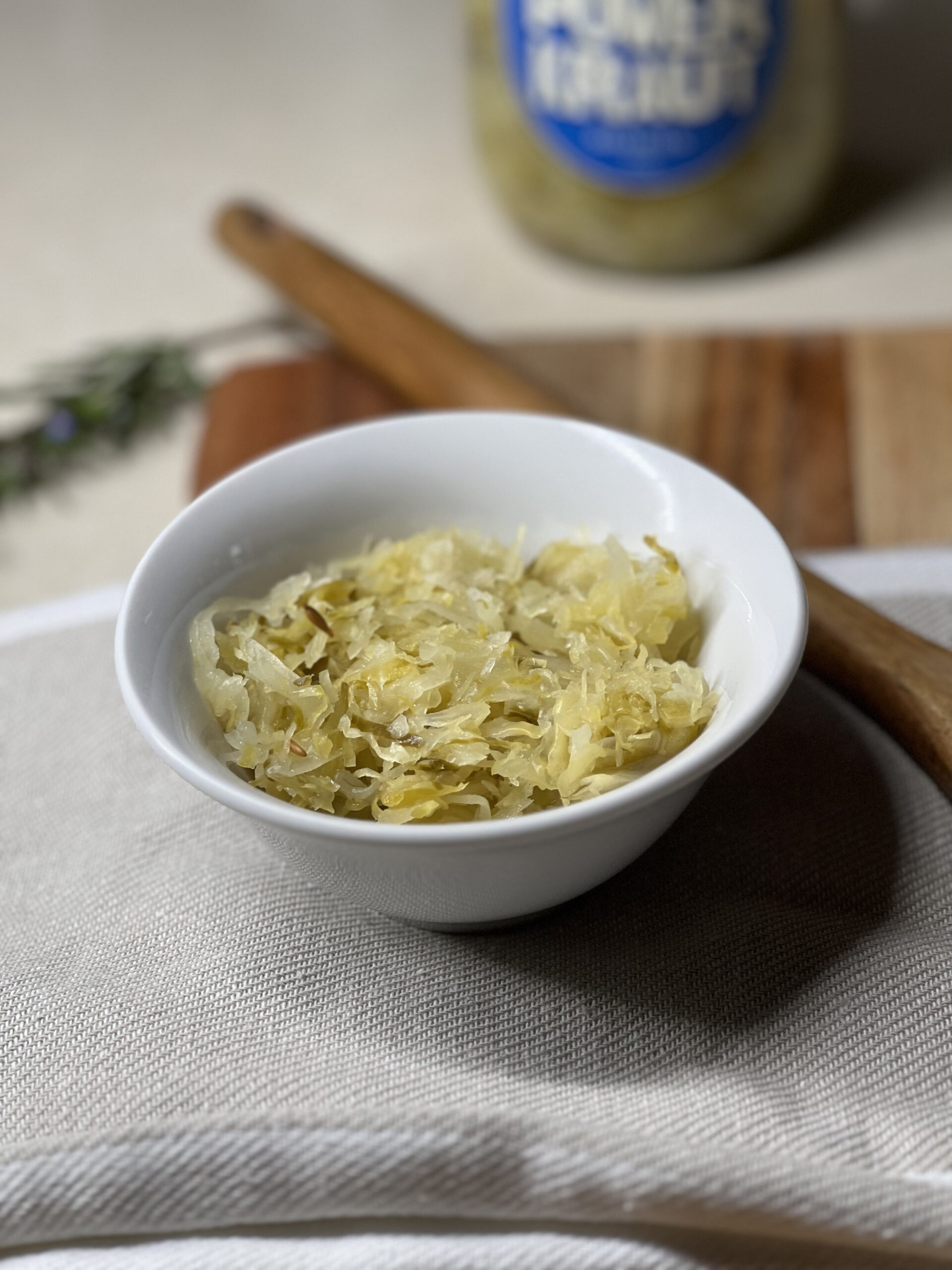
Welcome, fellow food enthusiasts, to a delightful exploration of sauerkraut, a staple in many culinary traditions around the globe. Sauerkraut is a tangy and crunchy delight that adds a burst of flavor to countless dishes. This fermented cabbage creation offers a multitude of health benefits and a rich history that has shaped its popularity across cultures. Join us on this flavorful journey as we delve into the world of sauerkraut, from its origins to its diverse uses in contemporary cuisine.
- A Brief History: Sauerkraut has a fascinating history dating back thousands of years. It is believed to have originated in China, where fermented cabbage was a part of the everyday diet. It eventually made its way to Europe, where it gained immense popularity, particularly in German cuisine. During long sea voyages, European sailors relied on sauerkraut for its high vitamin C content, which helped prevent scurvy. Today, sauerkraut has transcended borders and can be found in various forms in culinary traditions worldwide.
- The Fermentation Process: At the heart of sauerkraut lies the process of fermentation. To make sauerkraut, finely shredded cabbage is combined with salt and left to ferment over time. During fermentation, beneficial bacteria convert the natural sugars present in cabbage into lactic acid, creating a tangy flavor and acting as a natural preservative. This fermentation process not only imparts a distinct taste but also enhances the nutritional value of sauerkraut.
- Health Benefits: Sauerkraut is not only a delightful addition to meals but also offers numerous health benefits. Firstly, it is rich in probiotics, which promote a healthy gut by aiding digestion and supporting the immune system. These live cultures contribute to maintaining a balanced microbiome, improving overall health and well-being. Additionally, sauerkraut is packed with vitamins C and K, as well as minerals like potassium and calcium. Its high fiber content supports healthy digestion and may even help regulate blood sugar levels.
- Culinary Versatility: Beyond its historical significance and health benefits, sauerkraut holds a special place in the culinary world due to its versatility. It adds a vibrant, tangy kick to sandwiches, hot dogs, and burgers, lending a depth of flavor to each bite. The savory, tangy notes of sauerkraut also pair beautifully with grilled sausages, roasted meats, and hearty stews. Furthermore, sauerkraut can be creatively incorporated into vegetarian and vegan dishes, such as salads, grain bowls, and even as a topping for plant-based tacos.
- Exploring Beyond Traditional Sauerkraut: While classic sauerkraut consists primarily of fermented cabbage, contemporary variations have expanded the horizons of this beloved condiment. Adventurous food enthusiasts have experimented with different vegetables, such as carrots, beets, and radishes, to create unique and vibrant variations. The addition of herbs, spices, and even fruits can further elevate the flavor profile of homemade sauerkraut, offering endless possibilities for culinary experimentation.
Sauerkraut, with its tangy allure and rich history, is a culinary gem that continues to captivate taste buds around the world. Its delightful crunch, distinct flavor, and versatile nature make it a beloved condiment and ingredient across cultures. From its origins in China to its presence in European cuisine, and now its diverse usage in contemporary dishes, sauerkraut has firmly established itself as a flavorful and nutritious addition to any culinary repertoire. So, embrace the tangy goodness and let sauerkraut elevate your meals to new heights of flavor and healthfulness.

Homemade Sauerkraut Recipe
Creating sauerkraut at home is a rewarding and relatively simple process. Here’s a step-by-step guide on how to make sauerkraut:
Ingredients:
- 1 medium-sized head of cabbage (green or red)
- 1-2 tablespoons of sea salt (non-iodized)
- Optional flavor additions: caraway seeds, juniper berries, grated carrots, or other vegetables
Equipment:
- Large mixing bowl
- Cutting board and knife
- Fermentation container (glass jar or ceramic crock)
- Cabbage stomper or clean hands
- Weights (such as fermentation weights or clean, food-grade stones)
- Clean cloth or fermentation lid
- Rubber band or string
Step 1: Prepare the Cabbage
- Remove any outer leaves that may be wilted or damaged. Set them aside.
- Cut the cabbage in half, remove the core, and thinly slice or shred the cabbage. You can use a knife or a mandolin for this process. Aim for fine, even shreds.
Step 2: Add Salt and Massage the Cabbage
- Transfer the shredded cabbage to a large mixing bowl.
- Sprinkle the salt over the cabbage and begin massaging it with clean hands. The salt will draw out the moisture from the cabbage, creating the brine needed for fermentation. Continue massaging until the cabbage becomes soft and releases liquid.
Step 3: Optional Flavor Additions
- If desired, you can mix in any additional flavorings at this stage. Popular choices include caraway seeds, juniper berries, grated carrots, or other vegetables. Be creative and experiment with different combinations.
Step 4: Pack the Cabbage into the Fermentation Container
- Transfer the cabbage and its liquid to a fermentation container, such as a glass jar or ceramic crock.
- Pack the cabbage down firmly, ensuring there are no air pockets. You can use a cabbage stomper or your clean hands to press it down.
Step 5: Add Weights and Cover
- Place clean fermentation weights or food-grade stones on top of the cabbage to keep it submerged in its own brine. This helps prevent the growth of mold and encourages anaerobic fermentation.
- If you don’t have weights, you can use a smaller glass jar filled with water as a makeshift weight.
- Cover the container with a clean cloth or a fermentation lid to allow gas to escape while preventing dust or insects from entering.
- Secure the cloth or lid with a rubber band or string.
Step 6: Fermentation and Storage
- Place the fermentation container in a cool, dark place, ideally at room temperature (around 65-75°F or 18-24°C).
- Allow the sauerkraut to ferment for at least 1-2 weeks, but you can taste it along the way to achieve your desired level of tanginess.
- Check the sauerkraut every few days, making sure it remains submerged in its brine. If needed, press it down with clean hands or a spoon to release any trapped air bubbles.
- After the desired fermentation period, transfer the sauerkraut to clean, airtight jars, and store in the refrigerator. Properly fermented sauerkraut can last for several months when refrigerated.
Remember, fermentation is a natural process, and slight variations in taste and texture may occur. Enjoy your homemade sauerkraut as a flavorful condiment, or use it to add a delightful tang to your favorite recipes. Happy fermenting!
If you like this post, you might also like some of my other post’s.










FOLLOW ME on Facebook, Instagram, Pinterest and Twitter to see more delicious food and get all the latest updates.

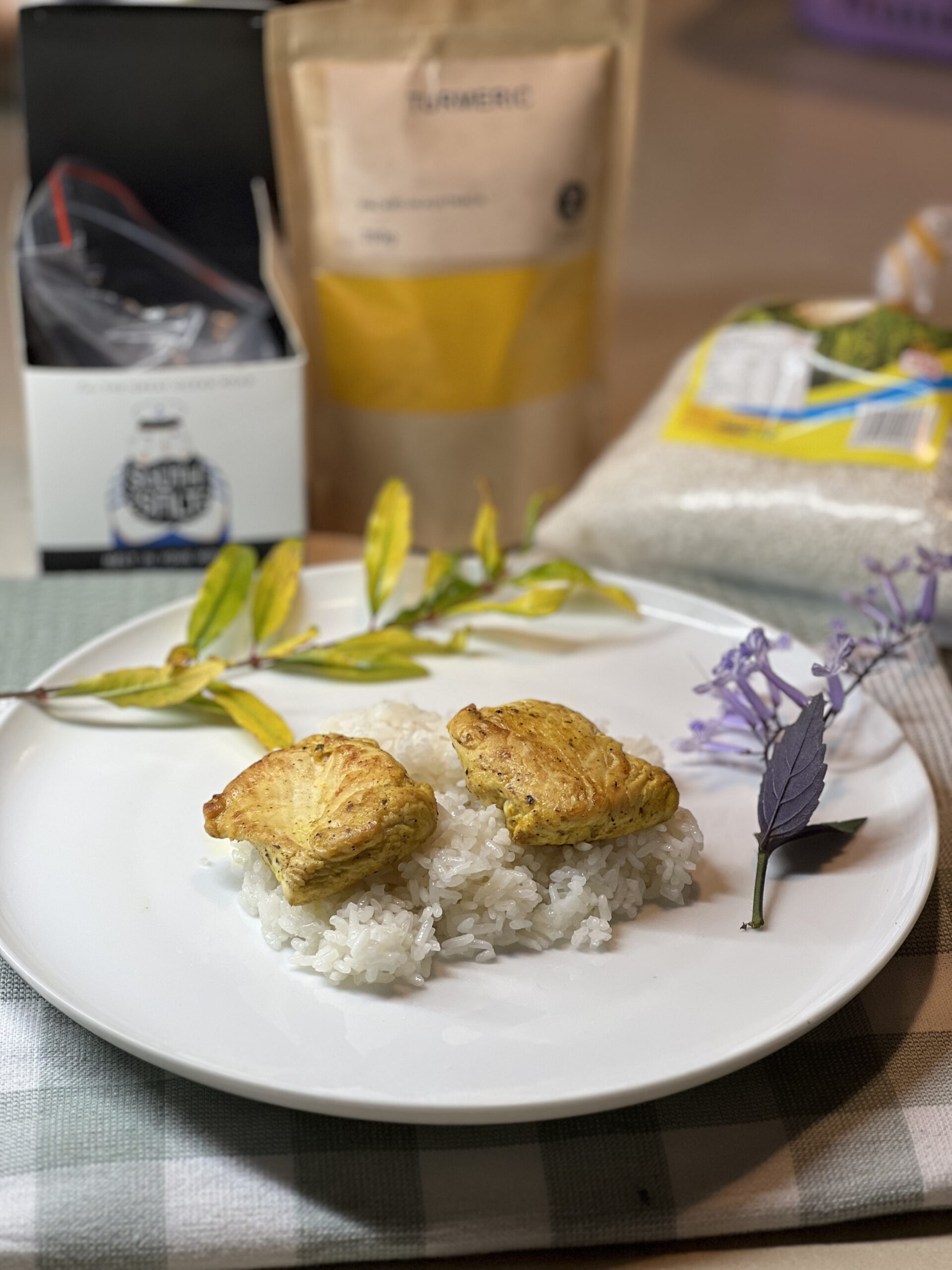 Sticky Rice with Chicken (AIP,Paleo,GF,DF)
Leave a Reply